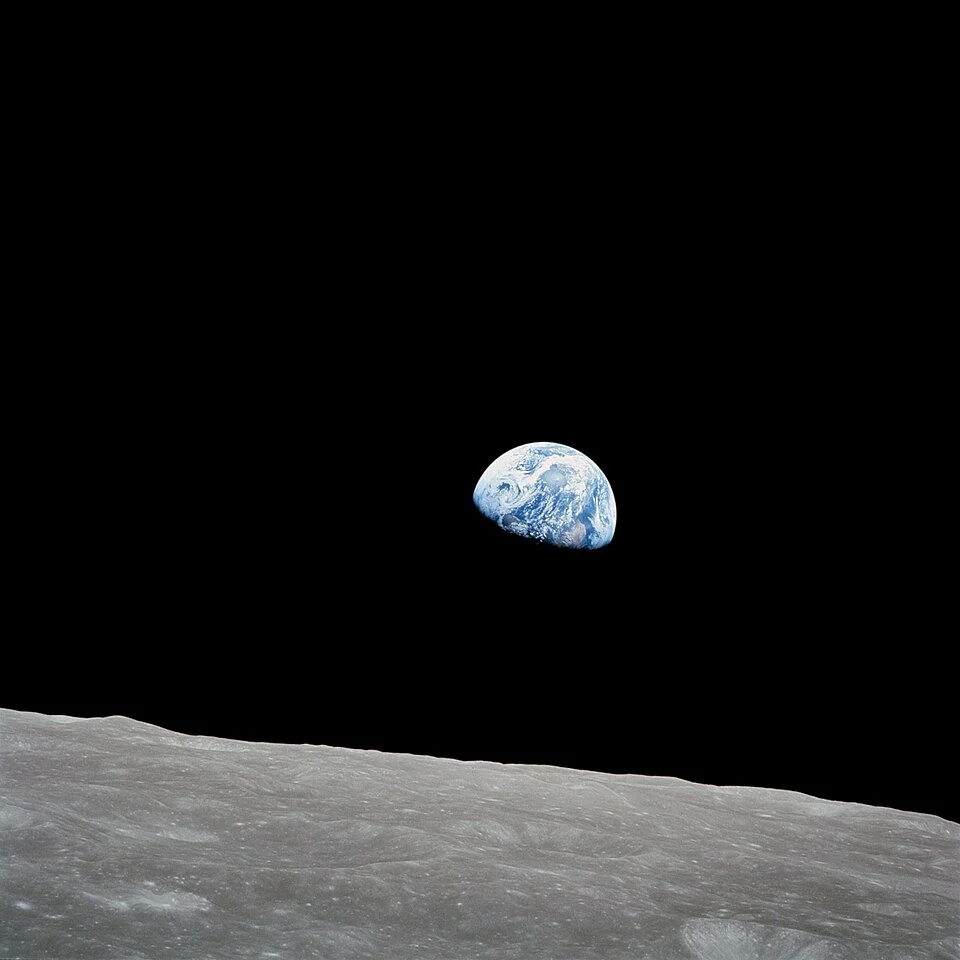
1968
Earthrise ↗
They travelled to the Moon and returned with a new view of home.
 MAINNET
 / HUMAN MOMENTS
Some moments leave the world changed.
An image that survives. A question that reaches us.
From imagination taking form to humanity looking back at its planet.
Through courage, mistakes, discovery and loss: how did we arrive here?
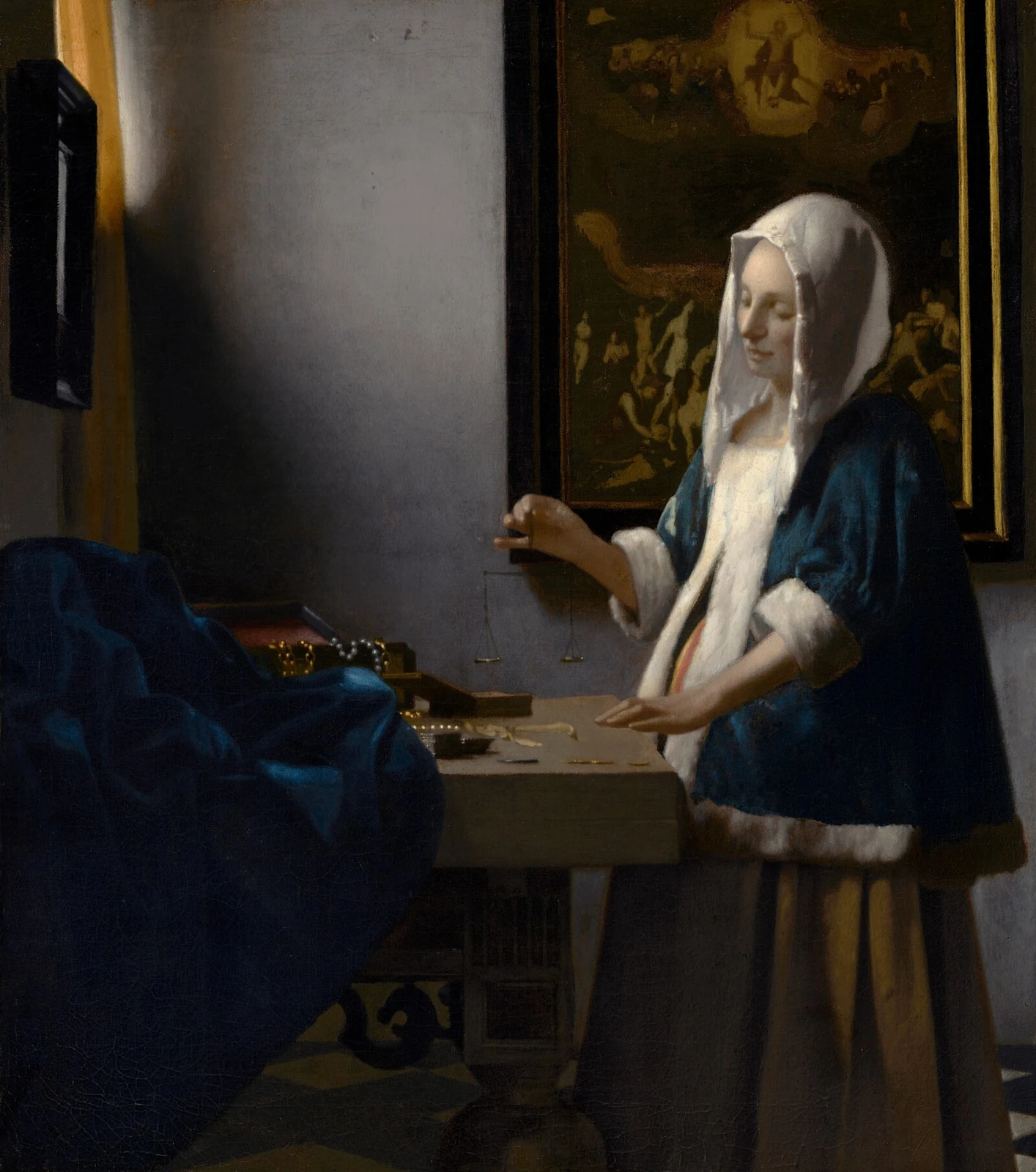
ART PRELUDE / TWELVE WAYS OF SEEING
Ma Yuan, Vermeer, Monet and nine more works worth your time. Let the eye slow down, and leave more room in how you measure the world.
Enter the art prelude ↗FOLLOW YOUR CURIOSITY
1968
They travelled to the Moon and returned with a new view of home.
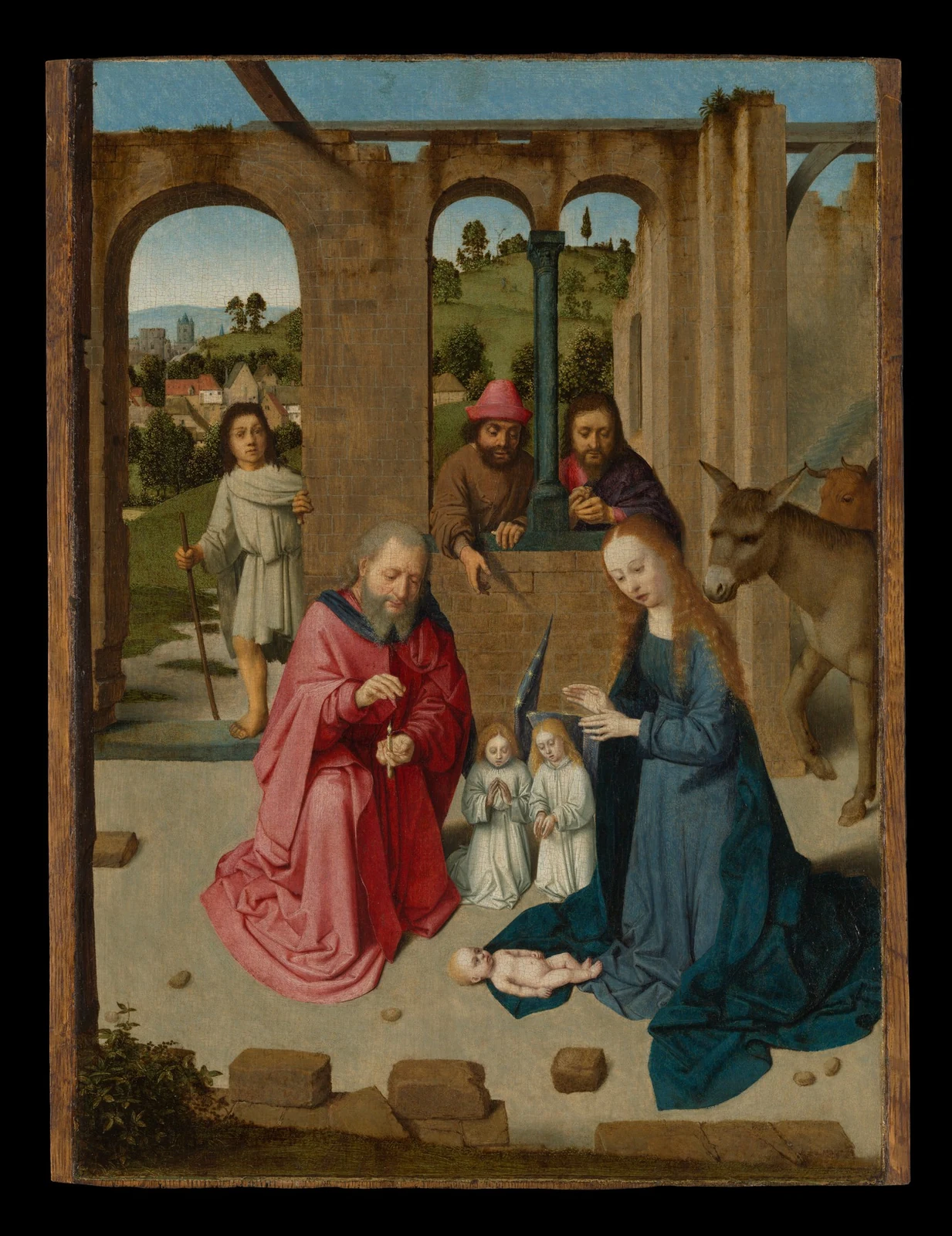
c. late 1st century BCE
A birth narrative became a language of faith across centuries.
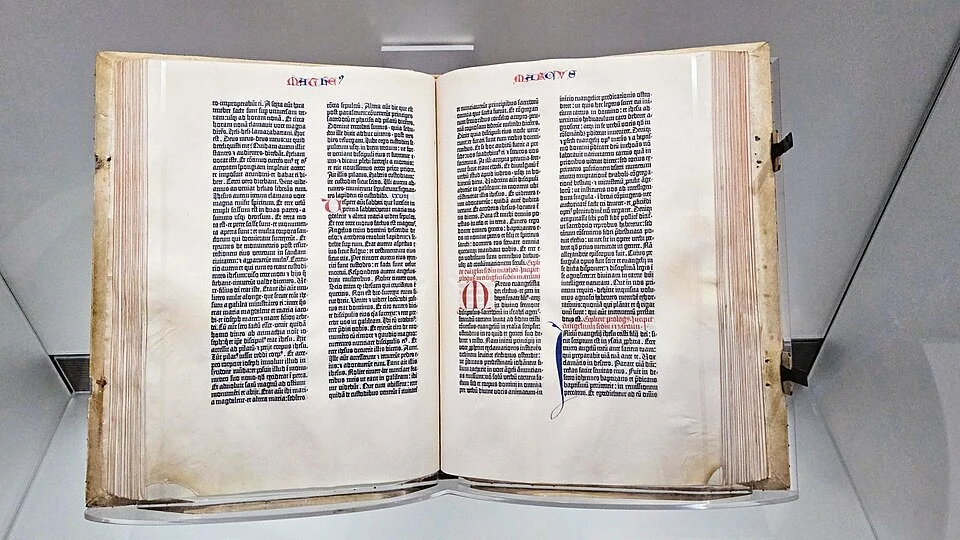
c. 1455 CE
A book was also a production network.
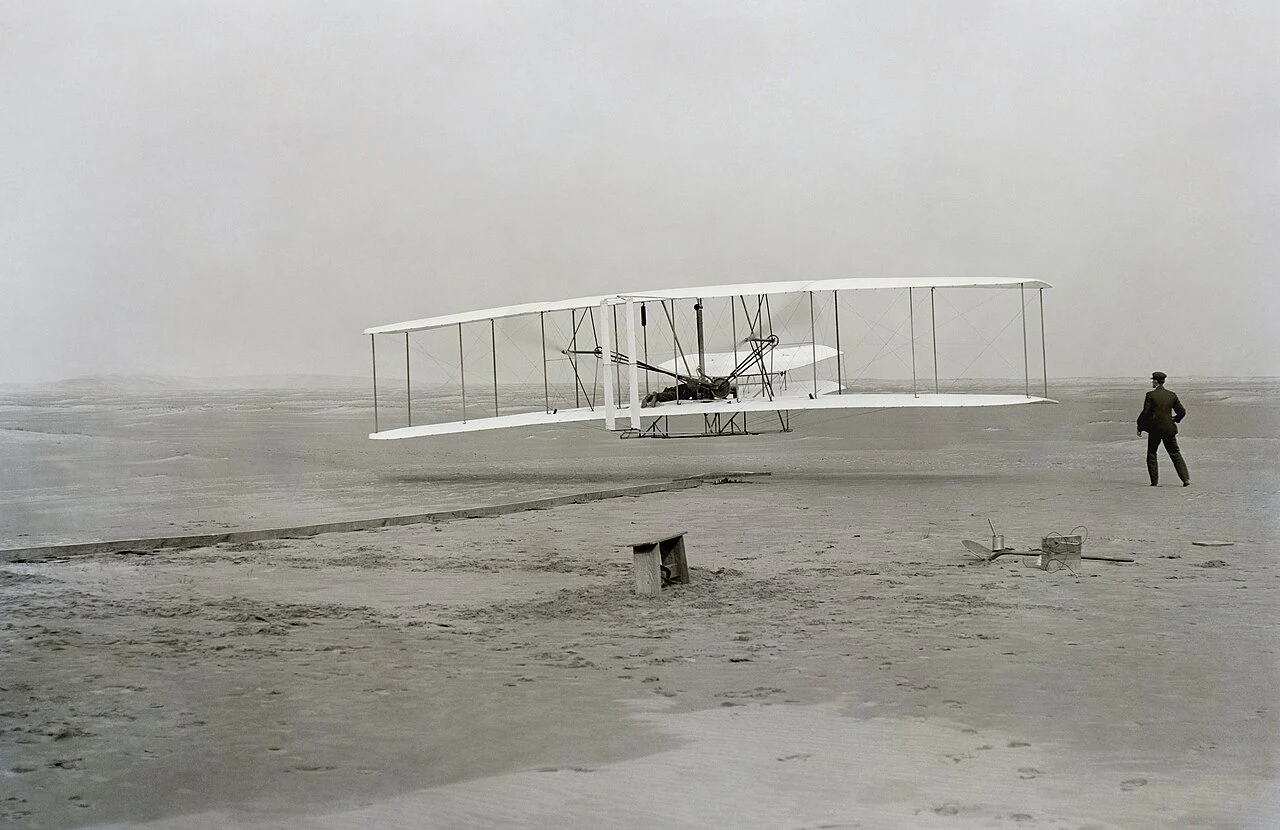
1903
Before staying aloft, learn how to stay in control.
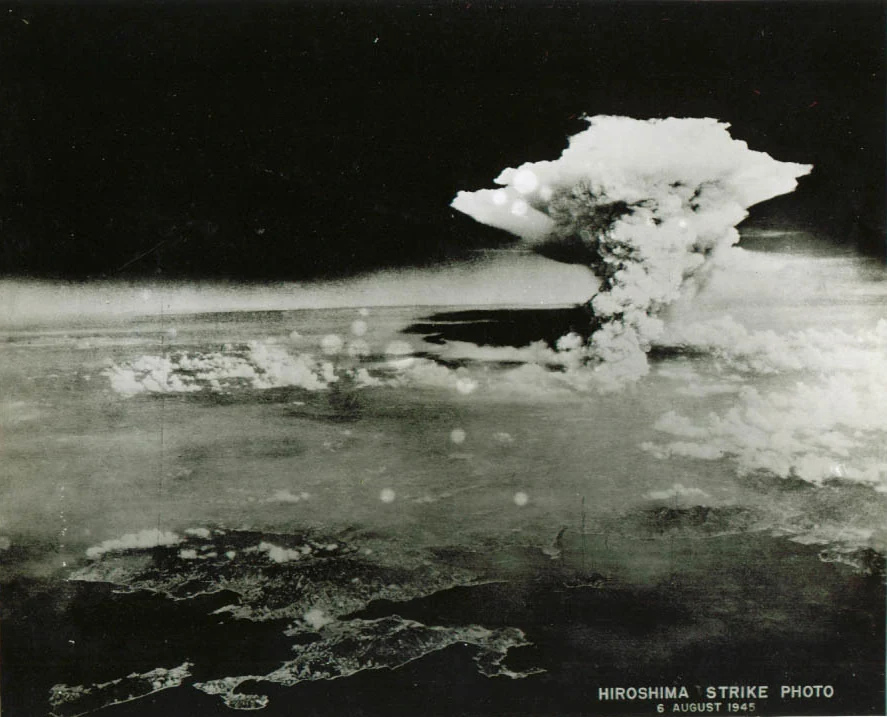
1945
A time on a clock cannot contain decades of harm.
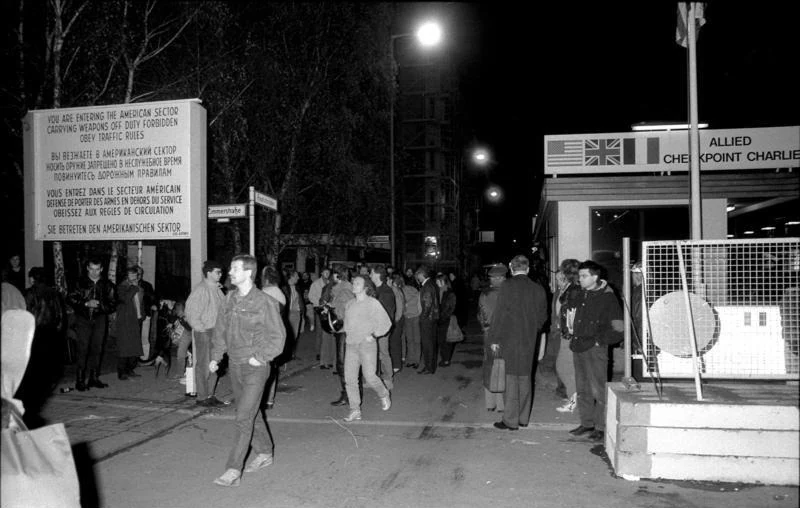
1989
People arrived at checkpoints to make an announced change real.
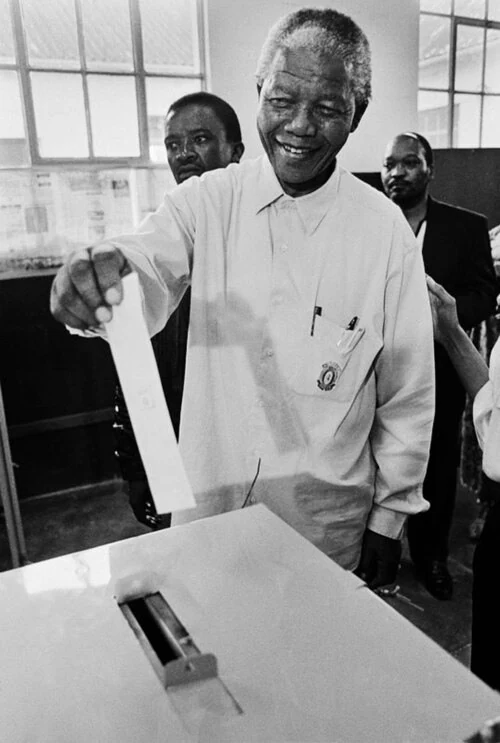
1994
A shared voting queue marked a break with racial exclusion from national power.
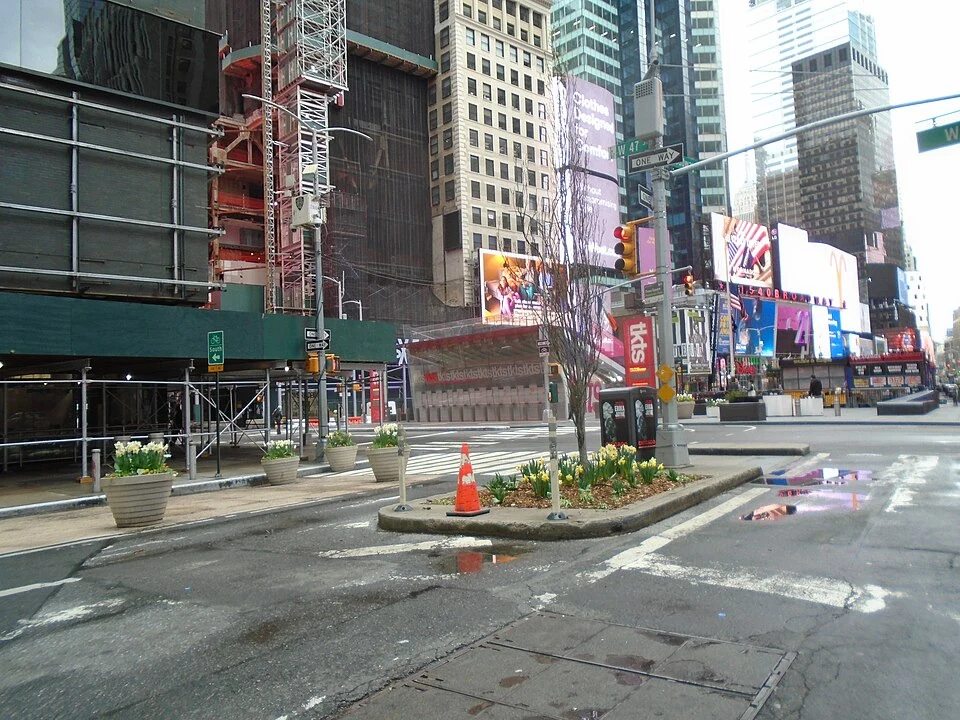
2019–2020
The same crisis reached households with different burdens.
FIND YOUR WAY IN
An imagined being acquired a physical form.
Finding the next meal became planning the next season.
A city places strangers’ daily lives within shared arrangements.
Humanity’s durable memory had inventory to do.
Behind a monumental form stood extensive coordination.
Rules in stone also preserved unequal measures of justice.
Fewer signs, more things to say.
Lighter ideas began with lighter carriers.
Even nothing needs operating instructions.
This printed copy has a remarkably clear date.
Learning can be a practice of how to treat others.
Suffering became a question, and change a path.
A trial left later generations asking who may question.
A birth narrative became a language of faith across centuries.
Shared words do not immediately end disagreement.
Leaving one city began a new shared life.
A victor’s inscription can preserve the weight of harm.
Knowledge crossing borders needs more than a dictionary.
A discussion agenda travelled beyond its original audience.
A book was also a production network.
A battle changed borders; the resulting world belonged to more than its victor.
Unification changed everyday administration as well as the map.
Institutional names can survive after power has shifted.
An envoy brought back news of a world more complex than expected.
The formation of a coalition opened a new scale of power and cost.
Disease crossed borders; responsibility could not disappear with it.
After the walls fell, the living still carried the city.
Arrivals saw a new route; islanders confronted new dangers.
Reaching a port does not mean understanding its world.
One returning ship cannot tell the whole story of those lost.
What changes when the observer is moving too?
Several nights of changing positions mattered more than a single spectacle.
An orbiting Moon and a falling object could enter the same calculation.
Keep the hot chamber hot; move cooling elsewhere.
A clue to protection came from another disease—and raised ethical questions.
Variation could be the material of change, rather than an exception.
A good table can reveal what is missing, not merely organise what is known.
Before comparing two clocks, define how they are synchronised.
A counting device for a spectrum opened a larger question.
Seafloor maps and earthquake patterns began to fit one account.
A crisis of royal power left a text demanding reasons from authority.
A declaration of separation also asserted government by consent.
A fallen fortress changed how people imagined power.
People treated as property claimed the power to found a country.
Legal freedom required continuing scrutiny of labour and power.
An expansion of the vote began with names gathered door to door.
Sovereignty arrived alongside journeys away from home.
A declaration made dignity a shared language; implementation still required action.
Demands against discrimination entered the daily rules of employment and public services.
A shared voting queue marked a break with racial exclusion from national power.
After an assassination came a sequence of human decisions.
One day had two dates; the revolution also acquired competing narratives.
Alongside war, another shock moved through cities and households.
Falling prices were followed by contracting credit and livelihoods.
Military invasion transformed borders and civilian lives.
Liberation opened a new phase of care, testimony and accountability.
A time on a clock cannot contain decades of harm.
Signatures turned shared aspirations into procedures that still required action.
A founding ceremony opened a new state order amid unresolved divisions.
People arrived at checkpoints to make an announced change real.
It took more than a smoking engine to redraw the map.
Selling light required an unseen system behind it.
The work began moving through the workers.
Before staying aloft, learn how to stay in control.
A laboratory accident did not build its own factory.
The breakthrough also belonged to the people who removed impurities.
A global-trade accelerator looked remarkably like a box.
How did a diffraction pattern and a model change the language of life?
Replacing a heart did not resolve every question.
Victory meant finding no next case.
A beep announced a new route above the Earth.
One orbit redrew the boundary of human activity.
They travelled to the Moon and returned with a new view of home.
A footprint depended on an entire system for bringing people home.
The familiar map disappeared, leaving a home of clouds and oceans.
At a wider scale, everything familiar fits into a tiny point.
The disaster’s failures extended beyond the reactor.
Protecting the sky also changes an air conditioner’s parts list.
Remembering lives lost also means examining failures to protect people.
Changing the wavelengths we observe changes the questions we can ask.
The message no longer had to keep pace with the horse.
Your voice could travel without learning a code.
The living room gained a window—and an editor for the view.
The room held the machine; people made it work.
An electronic turning point began at two tiny contacts.
The circuit stopped crowding a box and moved into the material.
The first connection reached only two letters before failing.
A link made “where is it?” a question you could click.
A screen that could change its contents rearranged the tools in a hand.
An unfamiliar move made experts revisit their intuition.
Environmental concern entered the streets as a shared public issue.
A shared reference gave many investigations a common starting map.
Along coastlines, ordinary life lost its familiar scale within minutes.
When counterparties lose trust, assets on paper may not become usable cash.
Changing the guide could direct the same tool to another DNA location.
A bright ring gave an inferred darkness an observable form.
The same crisis reached households with different burdens.
A different interface changed expectations of answers.
Two distant instruments recorded the same cosmic event.
Countries began discussing the place others had assigned them.
No events match yet. Try a shorter term or choose all chapters.
A CURATORIAL NOTE
These are one hundred selected human moments, not a definitive ranking. Dates identify documented milestones, without compressing long histories into a single “first”. Each entry separates historical evidence, Mainnet’s interpretation and business hypotheses, with institutional, research or museum sources.
The exhibits draw on historical photographs, original art, artefacts and scientific observations. Image dates are distinguished from event dates; each carries a creator, source and rights record. Business ideas within the deeper reading are starting points for research.
Return to the first question: the meaning of capital ↗