6th–5th centuries BCE
Confucius and a tradition of learning
Learning can be a practice of how to treat others.
Step into this moment ↗What did this moment leave behind?
01 / THE DOCUMENTED EVENT
What happened?
Confucius was active in the sixth and fifth centuries BCE in and around the political world of Lu. Later texts, including the Analects, preserve discussions associated with him and his followers, linking learning, ritual and character. They are compiled and interpreted materials, not classroom transcripts.
Sixth–fifth-century BCE activity range; 551–479 BCE are traditional life dates, not an independently documented birthday.
Sources and historical context
- Stanford Encyclopedia of Philosophy — Confucius ↗
Supports Traditional 551–479 BCE dates and limitations of biographical and layered Analects material.
Source relationship Scholarly comparison of early texts, still dependent on later compilations.
- Columbia University, Asia for Educators — Introduction to Confucian Thought ↗
Supports Reciprocal responsibility, cultivation and education in the later Confucian tradition.
Source relationship A separately edited university teaching synthesis focused on later social thought, not independent verification of individual sayings.
The image, its author and source
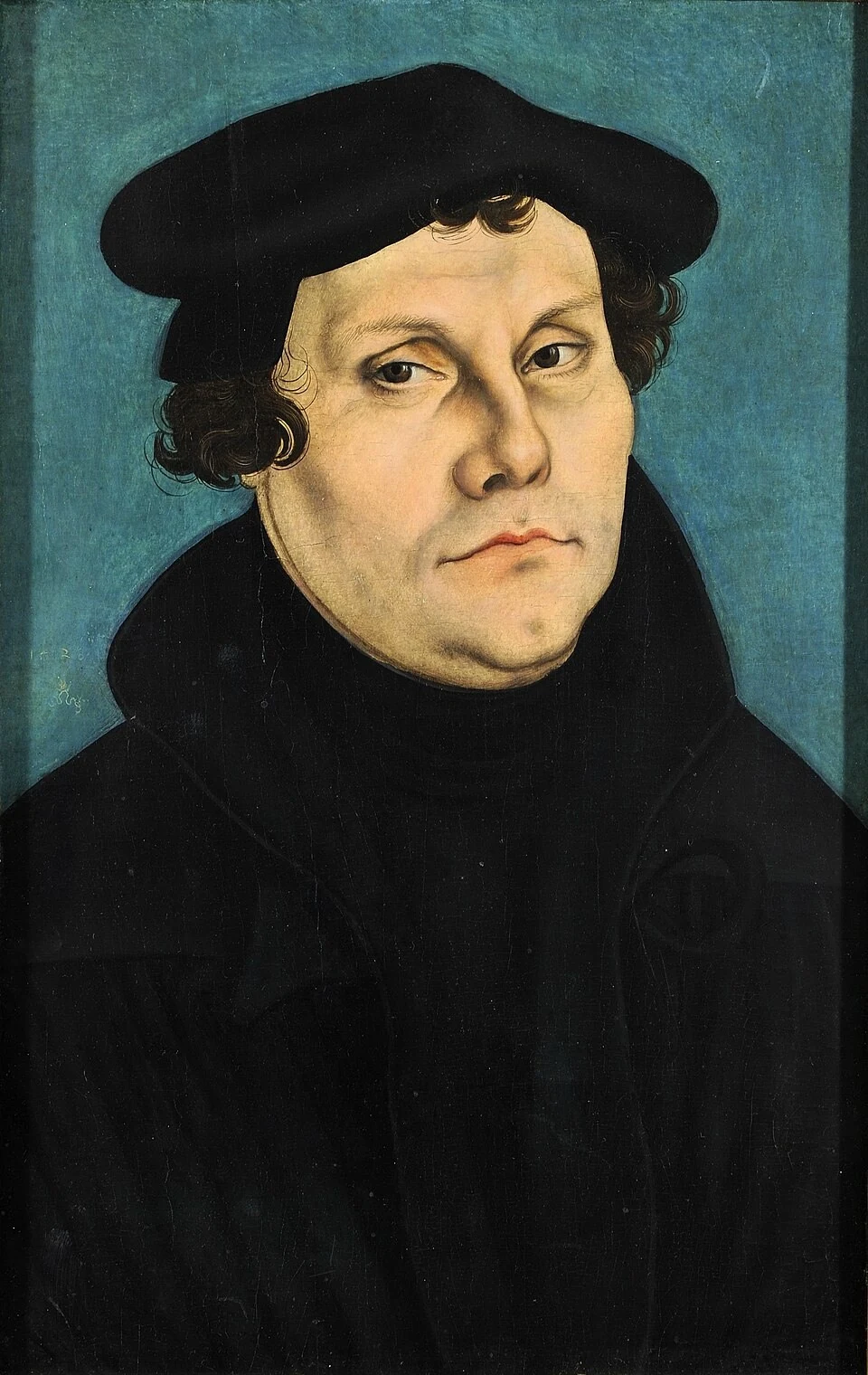
- Work
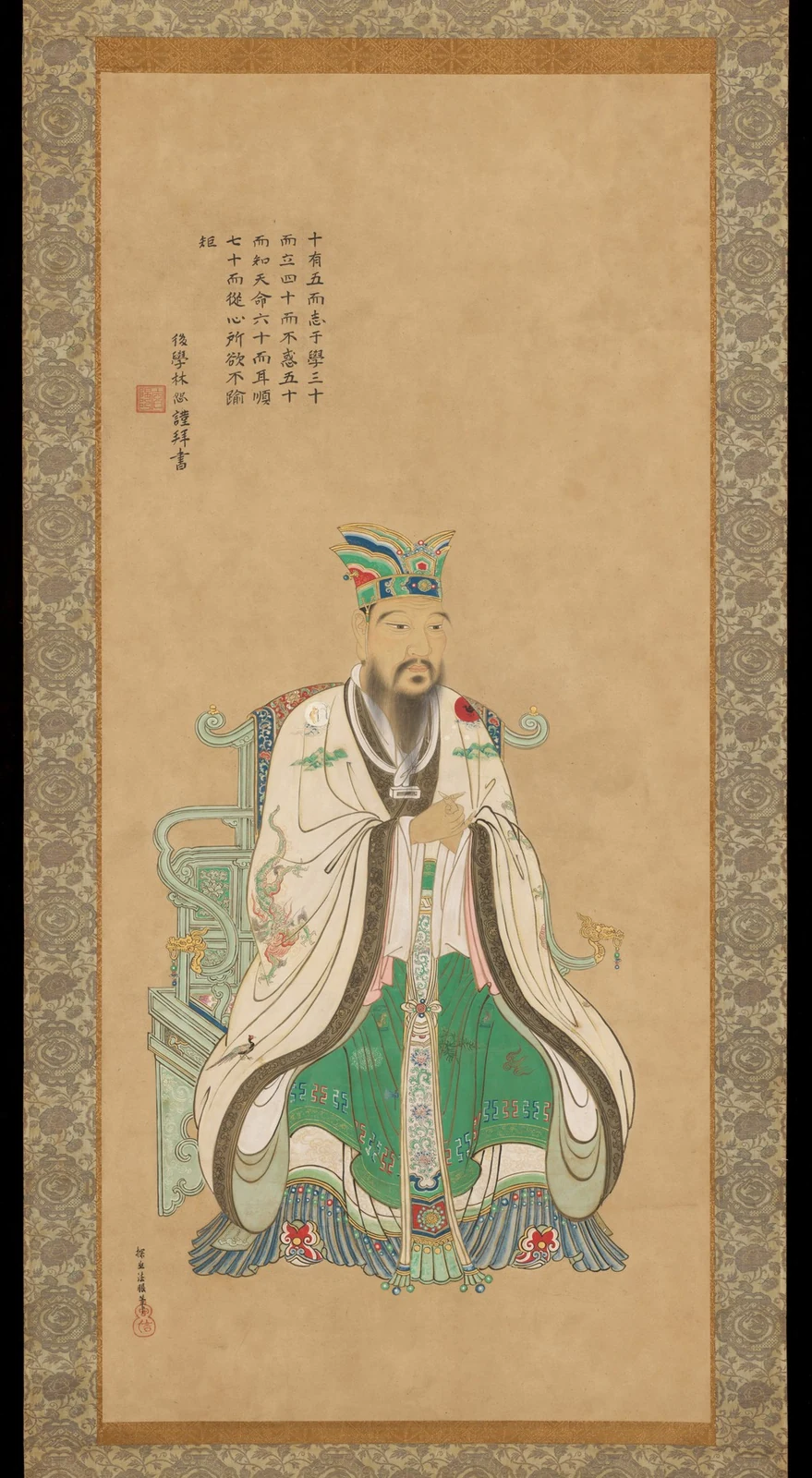
- Portrait of Confucius
- Creator
- Kano Tan'yū; inscription by Hayashi Gahō
- Work date
- c. 1658
- Collection and image
- Kano Tan'yū; inscription by Hayashi Gahō · The Metropolitan Museum of Art · Mary and Cheney Cowles Collection, Gift of Mary and Cheney Cowles, 2025 · 2025.981.8
- How the image relates to the event
- Original artwork / artistic interpretation
- Context
- The original painting is in The Metropolitan Museum of Art. This is an Edo-period Japanese view of Confucius, not a lifetime likeness. It also bears witness to ideas crossing borders.
- Rights
- CC0
- Image preparation
- The source image’s full composition and proportions are preserved; no AI generation, repainting or invented detail.
02 / THE MECHANISM
Why did it change the world?
The tradition placed personal development within sustained learning and daily relationships. Teachers, followers and commentators carried questions across generations while changing their meanings. Its influence depended on transmission and institutional adoption; later doctrines cannot all be assigned directly to Confucius.
03 / THE OTHER SIDE
What must not be overlooked?
Reciprocal duties can restrain authority, but selective readings can turn them into demands for obedience. Ancient social hierarchies are not ready-made employment policies. Ethical questions remain useful when tradition stays open to discussion rather than becoming an unquestionable managerial command.
04 / BACK TO TODAY
Where does this change our business thinking?
Organizations can ask whether training tests recall alone or responsible judgment in actual relationships. Mentoring needs reciprocal feedback and clear boundaries, not reverence as a substitute for accountability. This is a contemporary educational inference, not proof that an ancient ethic improves performance.
05 / A HYPOTHESIS TO TEST
Where could a small experiment begin?
Pilot four weeks of scenario mentoring for a professional-services team using five recurring responsibility conflicts. Assess reasoning, willingness to seek help and mentor responses, including anonymous reports of suppressed disagreement. Revise the course if hierarchy overwhelms learning.
A QUESTION TO TAKE WITH YOU